Master Lead Craftsmanship for Permanent Waterproofing
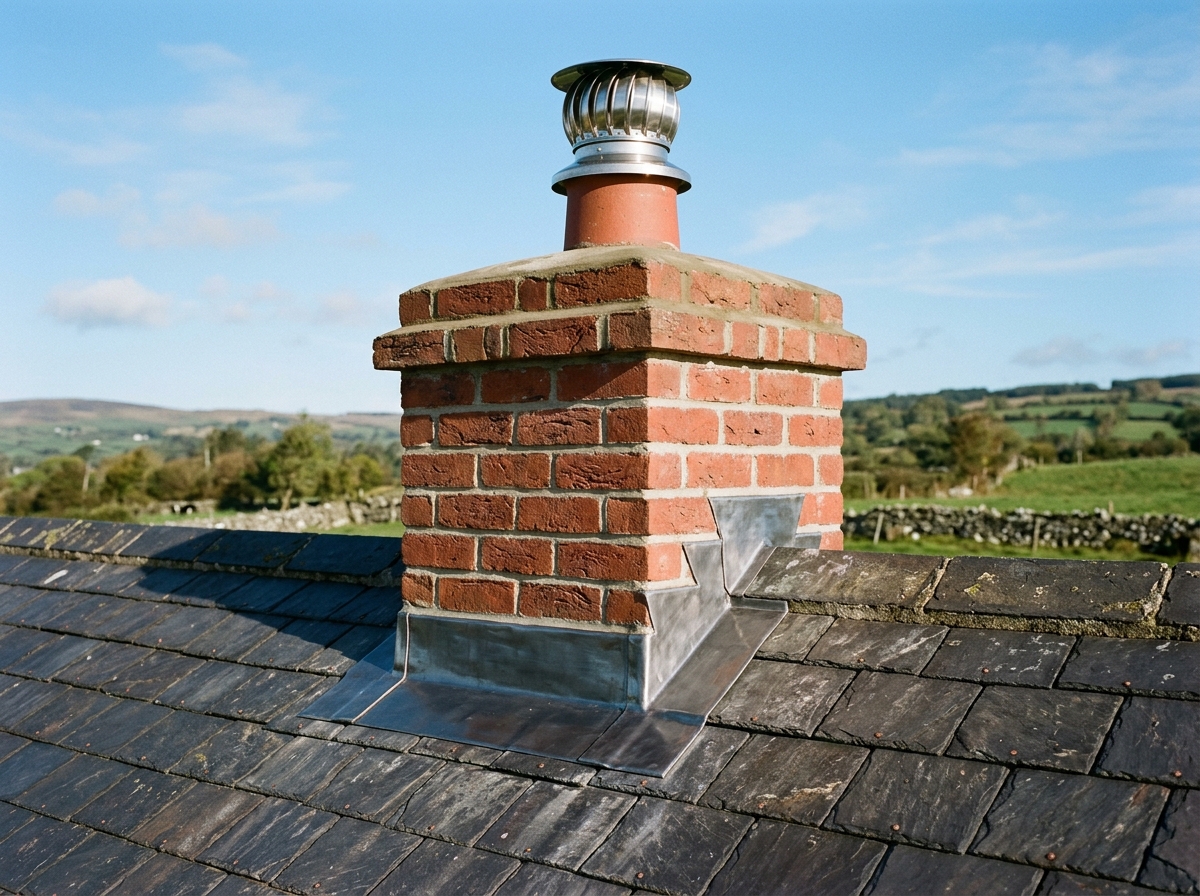
Lead flashing is the critical barrier protecting joints where tiles meet brickwork, chimneys, parapet walls, and adjoining roof pitches. When unqualified contractors use cheap adhesive flashband tapes, undersized lead codes, or fail to allow for thermal expansion, lead sheets buckle, split, and tear.
At Elevate Roofing & Building, our craftsmen are trained in traditional lead bossing and oxy-acetylene lead welding using BS EN 12588 certified Code 4 and Code 5 milled lead. We fabricate custom step flashings, soakers, front aprons, and back-gutters with proper expansion laps. Every installation is treated with patination oil to prevent carbonate staining on slate and brickwork.
Our Leadwork Services
Individual step flashings and lead soakers laced beneath tiles, with front cover aprons and back-gutters dressed into brick joints.
Complete valley reconstruction with 18mm timber valley boards, breathable underlay, and heavy Code 5 lead with expansion steps.
Seamless lead welding and bossing across vertical dormer cheeks, window sills, and arched curved roofs.
Heavy-gauge lead box gutters with drip steps, overflow outlets, and expansion joints preventing building leaks.
Every lead piece is coated with specialized patination oil to stop white carbonate runoff from staining slates and gutters.
Precision lead burn-welding to repair localized splits, stress cracks, and punctures in historic lead gutters.
Our Leadwork Installation Process
Dimension Measurement & Code Selection
We calculate thermal expansion lengths and select the appropriate milled lead code (Code 4 for soakers/aprons, Code 5 for valleys).
Timber Underlay & Building Preparation
Rotten timber valley boards are replaced, clean building paper/underlay is laid to prevent chemical reaction between timber and lead.
Hand Bossing, Folding & Lead Welding
Lead is hand-bossed over timber formers or burner-welded to create seamless corner gussets and expansion overlaps.
Chased Fixing & Patination Oil Seal
Lead flashings are wedged into 25mm masonry mortar chases, sealed with low-modulus silicone, and treated with patination oil.
Frequently Asked Questions
Related Roofing Services